70s Daisy: Capturing Groovy Retro Vibes in Your Designs
There's an unmistakable warmth that washes over you when you encounter a design that truly captures the spirit of the 1970s. It's more than just a color palette of avocado and burnt orange; it's a feeling of optimism, creativity, and a touch of whimsical rebellion. This is precisely the energy channeled by the 70s Daisy typeface. More than just a set of letters, this font is a direct portal to a sun-drenched, flower-power era, offering designers a powerful tool to inject instant personality and nostalgic charm into their projects. If you're working on anything that needs to feel friendly, funky, and authentically retro, this display font is your new best friend.
More Than a Font: A Design Personality
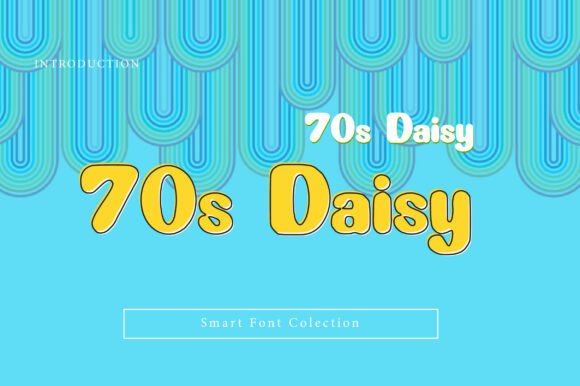
What makes the 70s Daisy typeface so visually compelling? It’s all in the details. The design features chunky, rounded letterforms with soft curves that feel approachable and playful. A standout characteristic is its unique "hollow" center style, which gives the letters an outlined, lightweight appearance. This isn't just a stylistic choice; it's a functional one. The open nature of the characters allows them to maintain excellent legibility even when placed over busy, patterned backgrounds—a common challenge in retro-inspired design.
Think of the typography on a classic vinyl album cover or a colorful mural from a vintage summer festival. The 70s Daisy font embodies that same joyful, handcrafted aesthetic. It’s the kind of typeface that doesn’t just spell out words; it conveys an emotion. Using it sets a tone of positivity and creative confidence, making it an essential asset for any designer's toolkit aiming for a "retro-revival" look.
Practical Applications for a Groovy Vibe
Understanding a font's personality is one thing; knowing how to apply it effectively is where the real magic happens. The versatility of the 70s Daisy display font allows it to shine across a wide range of creative and commercial projects. Its bold, friendly character makes it particularly suited for applications where you want to make an immediate, cheerful impact.
Building a Memorable Brand Identity
For small businesses, especially those in the lifestyle, beauty, or wellness spaces, establishing a distinct brand identity is crucial. A font like 70s Daisy can be a cornerstone of that identity. Imagine it used for an eco-friendly beauty brand’s logo, instantly communicating natural, wholesome, and positive values. Or consider a children’s apparel line where the font’s rounded, safe shapes evoke a sense of fun and imagination. When used consistently across logos, packaging, and marketing materials, this typeface helps build strong brand recognition and a cohesive visual story that resonates with your target audience.
Capturing Attention in Print and Digital
The practical uses extend far beyond static logos. This is a font built for dynamic applications. Its chunky forms make it perfect for creating impactful posters for summer festivals or community events. In packaging design, it can help a product stand out on the shelf, promising a delightful customer experience before the package is even opened.
In the digital realm, it’s a powerhouse for social media graphics. Use it for Instagram story highlights, Facebook event banners, or Pinterest pins to create a cohesive and eye-catching feed. The font’s outlined style ensures text remains readable over vibrant photos or busy video backgrounds. It’s equally effective for web design, where it can be used for hero section headlines, blog post titles, or promotional banners to inject personality into a site’s user interface.
Pairing and Practicality: Making It Work for You
While the 70s Daisy font is a star player, the best designs often involve a supporting cast. Knowing how to pair it with other typefaces is key to creating professional, balanced layouts. As a display font with a very strong personality, it’s best used for headlines, logos, and short bursts of impactful text. For body copy or longer paragraphs, you’ll want to pair it with a more neutral and highly readable sans serif font or a simple serif font.
For example, pairing 70s Daisy with a clean, geometric sans serif like Montserrat or Lato creates a beautiful contrast. The display font grabs attention, while the body font provides clear, comfortable reading. This contrast improves overall readability and helps establish a clear visual hierarchy in your design, guiding the viewer’s eye from the most important information to the supporting details.
Before finalizing any project, always test your font pairings. Check how they look at different sizes and on various backgrounds. Consider the included styles—is there a regular, bold, or italic version that suits your needs? Finally, for any commercial project, always double-check the commercial licensing terms of the font to ensure you’re using it correctly for your intended application, whether it's for merchandise, digital products, or client work.
Infusing Warmth into Every Pixel and Page
Ultimately, the power of a font like 70s Daisy lies in its ability to communicate a specific feeling. It’s a premium font choice that pays dividends in brand personality and audience engagement. It transforms a simple invitation into a groovy celebration, a basic social media post into a shareable moment of retro cool, and a product label into a story of joy and authenticity.
In a world saturated with minimalist and sterile designs, choosing a typeface with this much character is a bold move. It’s for the designer who understands that visual communication is about more than just clarity—it’s about connection. The 70s Daisy