Hydro: The Condensed Sans Serif for Modern Branding
There’s a particular kind of visual confidence that comes from a perfectly chosen typeface. It’s the silent workhorse of a brand, the first impression on a website, and the consistent thread that ties a project together. For creators seeking that blend of sophistication and impact, the Hydro font presents a compelling solution. This condensed sans serif isn't just another typeface; it's a design asset crafted to inject elegance and a distinct attitude into your work, making it a versatile tool for anyone from entrepreneurs to seasoned designers.
Understanding the Visual Character of Hydro
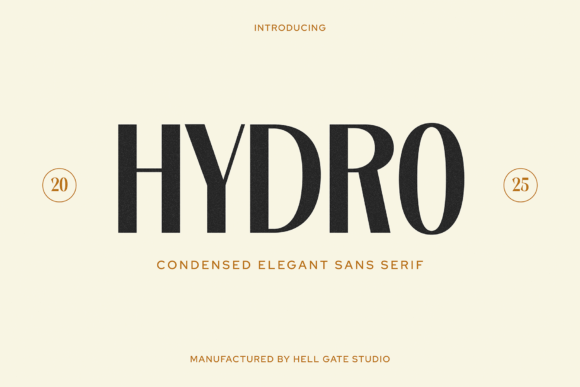
At its core, Hydro is a condensed sans serif, a style characterized by its tall, narrow letterforms. This design choice immediately offers practical benefits: it allows for more text in a smaller horizontal space, which is invaluable for headlines, logos, and packaging where space is at a premium. But Hydro’s appeal goes beyond mere practicality. Its "fine-tuning" refers to the careful balance of its letter spacing, weight, and proportions. The characters feel crisp and modern, with a subtle geometric influence that avoids being sterile. It carries a pleasant fusion of elegance—think clean lines and balanced negative space—and a condensed attitude that feels assertive and contemporary. This makes it an excellent premium font for projects that need to communicate clarity and style without relying on ornate details.
Practical Applications: Where Hydro Truly Shines
The true test of a creative font is how it performs across different mediums. Hydro’s design is intentionally versatile, making it a strong candidate for a wide array of creative and commercial projects.
- Branding & Logo Design: A logo built with Hydro immediately feels modern and established. Its condensed nature works beautifully for wordmarks, especially for brands with longer names. It conveys a sense of efficiency and forward-thinking style, crucial for startups and established businesses alike.
- Packaging Design: On product labels and boxes, Hydro’s legibility at smaller sizes and its ability to stack neatly make it a standout. It can elegantly display product names, descriptions, and key details without cluttering the design, enhancing shelf appeal.
- Social Media & Digital Graphics: In the fast-scrolling world of Instagram or Pinterest, a bold, clear headline is everything. Hydro cuts through the noise, making quotes, announcements, and promotional graphics instantly readable. Its modern typography pairs well with both photography and solid color blocks.
- Web Design & Blogs: Used for headlines, menu items, or pull quotes, Hydro can structure a webpage with visual hierarchy. It helps guide the reader’s eye and breaks up long blocks of body text, improving overall readability and user experience.
- Print Materials & Marketing Assets: From posters and flyers to business cards and letterheads, Hydro brings a professional presentation. Its clean lines reproduce sharply in print, ensuring your brand identity remains consistent from screen to paper.
Enhancing Your Project’s Visual Communication
Choosing a font like Hydro is a strategic decision that impacts more than just aesthetics. It directly contributes to several key aspects of your project’s success.
Visual Consistency & Brand Recognition: Using a single, well-chosen typeface family across all touchpoints—from your website to your invoices—builds a cohesive brand identity. Hydro, with its included OTF file for optimal compatibility, ensures your typography looks identical everywhere, reinforcing recognition and trust with your audience.
Professional Presentation: The difference between an amateur and a professional design often lies in the details. Hydro’s refined construction elevates layouts, making digital products, editorial designs, or client presentations look polished and intentional. It signals that you value quality in every aspect of your work.
Audience Engagement: Readability is the foundation of engagement. A font that is difficult to read causes friction. Hydro’s design, while condensed, prioritizes clear letterforms, ensuring your message is communicated effortlessly. This keeps readers focused on your content, whether it’s a blog post, a product description, or an invitation.
Tips for Working with a Condensed Sans Serif
Integrating a new font into your toolkit requires a bit of strategy. Here’s some practical advice for making the most of Hydro or any similar typeface.
Test Font Pairings Thoughtfully. Hydro’s strong personality pairs well with more neutral or contrasting fonts. Consider combining it with a simple serif font for body text in editorial layouts, or a clean sans serif for longer paragraphs. The key is contrast in structure (condensed vs. regular width) or style (modern vs. traditional) to create visual interest without conflict.
Mind the Readability. While Hydro is designed for clarity, its condensed nature means it’s best suited for headlines, subheadings, and short bursts of text. For extended reading passages, a more open, regular-width font will be easier on the eyes. Use Hydro to create impact and hierarchy, then let a complementary font handle the heavy lifting of body copy.
Leverage the Included Styles. A quality font package often includes multiple weights or styles. Examine what’s included with Hydro. Having access to variations like light, regular, bold, or italic gives you flexibility to create nuanced designs within a unified family, strengthening your visual system.
Consider Commercial Licensing. If you’re using Hydro for client work, merchandise, or any project that generates revenue, ensure you have the appropriate commercial license. This protects you legally and supports the designers who create the assets that fuel your creativity. It’s a fundamental part of professional practice.
In the end, a font is a voice. Hydro offers a voice that is articulate, confident, and stylishly concise. It’s a tool that doesn’t just display words but helps shape how those words are perceived, making it a valuable addition to any designer’s or creator’s library of assets.