Retro Rookie: The Playful Font That Brings 70s Charm to Modern Design
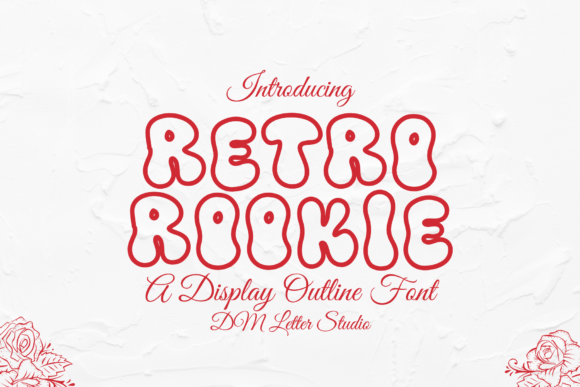
There’s a certain magic in the typography of the 1970s and 80s—a sense of unbridled optimism, rounded edges, and a bubble-gum pop that feels both nostalgic and surprisingly fresh. Capturing that specific, joyful energy is exactly what the Retro Rookie display outline font does so effortlessly. This isn’t just another retro-styled typeface; it’s a direct line to a carefree attitude, defined by bold, squishy letterforms and a thick, cheerful outline that makes any headline or logo instantly more fun. For designers, entrepreneurs, and creatives looking to inject personality into their work, understanding how to wield this unique font is key to creating visuals that truly resonate.
A Typeface with a Personality: More Than Just Nostalgia
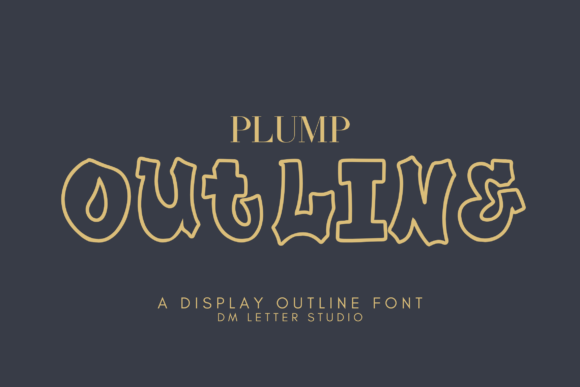
At its core, Retro Rookie is a display font built for impact. Its visual appeal lies in its distinct construction: the letters are not filled with solid color but are instead defined by their robust outline. This creates a light, airy, and playful feel, perfect for projects that need to stand out without feeling heavy. The all-caps design ensures maximum presence, making it a fantastic choice for logo design, social media graphics, and packaging design where you need to grab attention quickly.
But what truly sets it apart is its versatility in evoking specific emotions. It channels nostalgia without feeling dated. Imagine it on a party invitation, instantly setting a tone of celebration, or on a product package for a new line of artisanal sodas or retro-themed sweets. The font’s character encourages a brand identity that is approachable, energetic, and memorable. It’s a premium font that works hard for your brand’s personality.
Practical Applications: From Packaging to Pixels
The real test of any creative font is how it performs across different mediums. Retro Rookie shines in this regard, offering practical solutions for a wide array of projects. Its clean, smooth paths are optimized for modern production methods, ensuring your designs translate flawlessly from screen to physical product.
For small business owners and crafters, this is particularly valuable. Consider using it for:
- Product Packaging: Create cohesive, cheerful designs for mugs, bakery boxes, favor bags, and retail signage. The outlined style keeps the look light and fun, even on smaller items.
- Apparel and Merchandise: The font’s bold outline makes it ideal for DTG printing, sublimation, and vinyl cuts. Think vibrant t-shirts, tote bags, and hats that pop.
- Digital Presence: Use it for website hero sections, blog headers, and marketing assets like email banners and digital ads. Its high-impact style ensures your key messages aren’t missed.
- Editorial and Print: Break up the monotony of body text in magazines, posters, or flyers with a Retro Rookie headline that injects immediate energy.
The key is to match the font’s inherent playfulness with your project’s goals. It’s not the right choice for a formal legal document, but it’s perfect for a children’s book title, a summer festival poster, or a new flavor launch from a snack brand.
Integrating Retro Rookie into Your Brand Kit
Adopting a distinctive font like Retro Rookie is about more than just picking a cool typeface; it’s about building a consistent visual language. A strong font pairing strategy is essential. Because Retro Rookie is a bold display font, it needs a complementary partner for body text. Pair it with a clean, neutral sans serif font for readability, or a simple serif font for a more classic contrast. A handwritten font or script font could work for specific accents, but use it sparingly to avoid visual clutter.
Think about your color stories, as suggested in the font’s design ethos. The outlined nature of the letters allows background colors or images to become part of the typography itself. A “strawberry and cream” palette—soft pinks and whites—feels sweet and inviting. “Mint and cocoa” offers a refreshing, modern contrast. “Honey and butter” evokes warmth and comfort. These aren’t just color schemes; they’re tools for crafting an entire brand experience around the font’s retro-modern vibe.
Practical Tips for a Flawless Rollout
Before you commit, take a moment to test the font in your specific context. Install it and try it in your preferred design software—whether that’s Canva, Photoshop, or Illustrator. Check how it looks at various sizes, especially for the intended use, like a small favicon or a large banner.
Remember, readability is paramount. While the outline style is eye-catching, ensure there’s enough contrast between the font’s color and the background for the text to be easily legible, especially on screens. Review the full character set, including numerals and punctuation, to ensure it meets all your design needs.
Finally, always confirm the licensing. As a commercial font, Retro Rookie typically comes with a license that allows for its use in projects you create for clients or for sale. Understanding these terms ensures you’re using the font legally and ethically, protecting both your business and your clients’.
In the end, Retro Rookie is more than just a collection of letterforms. It’s a design tool that communicates a specific feeling: joy, nostalgia, and creative confidence. By thoughtfully integrating it into your visual strategy, you can create work that doesn’t just look good, but feels authentically and engagingly yours. It’s a sweet shortcut to designs that are both stylishly retro and wonderfully modern.