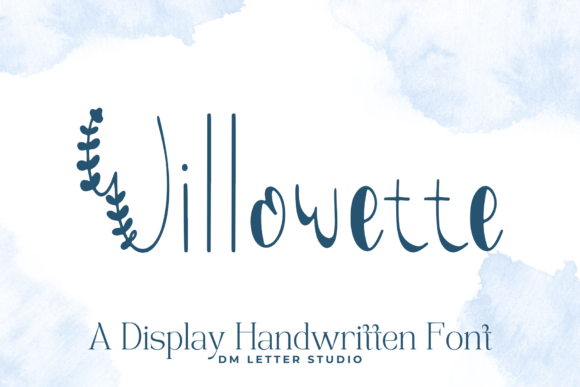
Willowette: The Font That Softens Your Brand's Visual Voice
Imagine a typeface that captures the effortless elegance of a handwritten note on fine linen paper. That's the feeling Willowette brings to your projects. It's not just another script font; it's a design tool that injects warmth, approachability, and a touch of romance into headlines and short phrases. For entrepreneurs, designers, and content creators, choosing the right typeface is a critical decision that shapes first impressions. Willowette offers a specific aesthetic—soft, flowing, and impeccably clear—that can elevate a brand's personality from the very first glance.
A Typeface Built for Connection and Clarity
At its core, Willowette is a display font designed for impact without sacrificing legibility. Its gently curved strokes and balanced letterforms create a rhythmic, graceful flow that guides the eye naturally. This makes it exceptionally effective for logo design, where a name needs to be both beautiful and instantly readable. The careful spacing ensures that words remain distinct, even when set at a smaller size on a packaging design mockup or a social media thumbnail. Unlike more ornate scripts that can become tangled, Willowette maintains a clean silhouette, which is crucial for applications like vinyl cutting, foil stamping, and embossing where crisp edges are non-negotiable.
This premium font excels in creating an emotional connection. Its style evokes feelings of care, craftsmanship, and personal touch, making it ideal for brands that want to feel human and relatable. Think of a boutique's hang tag, a wedding invitation suite, or the header of a lifestyle blog. Willowette sets a mood that is both sophisticated and welcoming, helping to build brand recognition through consistent, emotionally resonant visuals.
Practical Applications: From Wedding Invitations to Brand Identities
The versatility of a well-crafted script font like Willowette is its greatest strength. It’s not confined to a single niche but adapts to serve a wide array of creative and commercial needs. For brand identity projects, it can form the cornerstone of a logo for businesses in beauty, fashion, floristry, or artisanal goods. Paired with a clean sans serif font for body text, it creates a beautiful hierarchy that is both professional and full of character.
In editorial design and web design, Willowette shines in headlines, pull quotes, and section dividers, adding visual interest without overwhelming the reader. Content creators and social media graphics designers will find it invaluable for crafting engaging titles for Instagram carousels, Pinterest pins, or YouTube thumbnails that need to stand out in a crowded feed. For print materials, its applications are equally broad: think elegant menus, sophisticated gift tags, stylish posters, and premium business cards.
Moreover, its clean outlines make it a practical choice for digital products and merchandise. Whether you're designing downloadable templates, creating artwork for mugs and tote bags, or developing a cohesive suite of marketing assets, Willowette provides a reliable and beautiful typographic foundation. The key is to use it strategically—typically for short, impactful text elements—where its personality can truly shine without compromising the overall readability of a design.
Pairing and Project Strategy for Maximum Impact
A single typeface rarely works in isolation. The true power of a creative font like Willowette is unlocked through thoughtful pairing. Its romantic, flowing nature makes it a natural partner for more structured typefaces. A classic combination is with a modern serif font for a timeless, editorial feel. For a cleaner, more contemporary look, pairing it with a geometric sans serif font creates a striking contrast that feels both elegant and fresh.
When integrating Willowette into your projects, consider these practical steps:
- Test for Context: Always view your font pairing in the context of its final use. A combination that looks great on a computer screen might need adjustments for a small product label or a large-format banner.
- Embrace Hierarchy: Use Willowette for your primary headline or key phrase. Let your secondary font handle subheadings and body copy. This creates clear visual flow and ensures your main message gets the attention it deserves.
- Explore Included Styles: Check if the font family includes stylistic alternates or ligatures. These extra glyphs can add unique flair to specific letter combinations, allowing for even more customization in your logo design or headline.
- Review Licensing: For commercial projects, always verify the font's licensing terms. Ensure it covers your intended use, whether for client work, merchandise, or digital products, to avoid any legal complications down the line.
Color and texture play a supportive role. Willowette pairs beautifully with soft, muted color palettes—think blush, sage, champagne, and ivory. Adding subtle effects like a fine foil texture or a delicate drop shadow can enhance its tactile quality, especially in mockups for stationery or packaging design. The goal is to create a cohesive sensory experience where the typography feels integrated into the overall aesthetic.
Achieving Visual Consistency Across All Touchpoints
One of the most significant challenges for any brand or project is maintaining visual consistency. A disjointed visual language can confuse your audience and weaken your message. By selecting a signature display font like Willowette and using it consistently across all your design assets, you create a recognizable thread that ties everything together.
This consistency fosters trust and professionalism. When a customer sees the same elegant script on your website's "About Us" header, your Instagram story highlights, your product tags, and your email newsletter, it reinforces your brand's identity at every interaction. It signals attention to detail and a cohesive vision, which are powerful drivers of audience engagement and loyalty.
Ultimately, Willowette is more than just a collection of letterforms. It's a strategic asset for clear and emotionally compelling communication. By understanding its strengths and applying it with intention, you can craft visuals that not only look beautiful but also work harder to connect with your audience, tell your story, and elevate the perceived value of everything you create.